
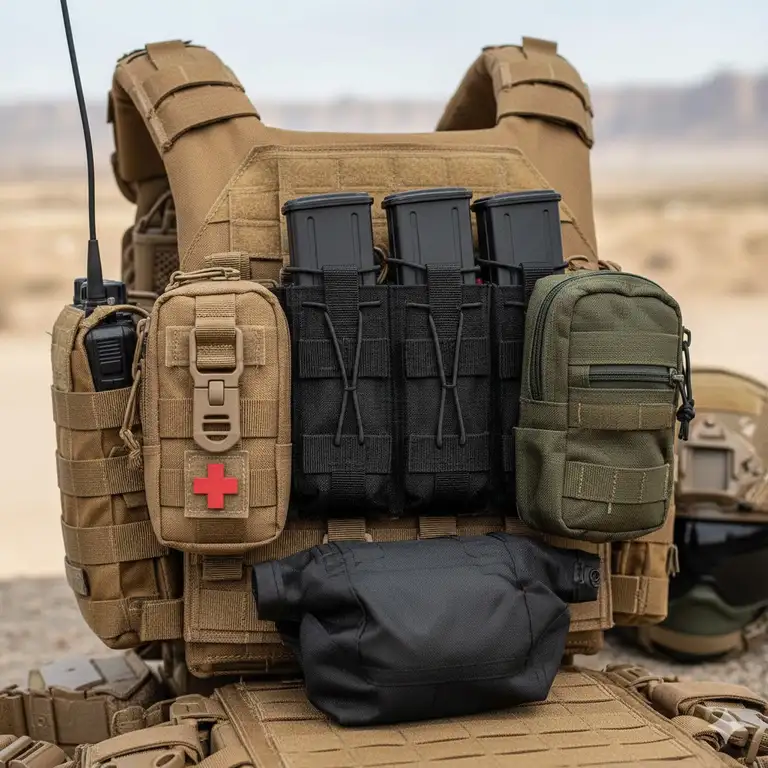
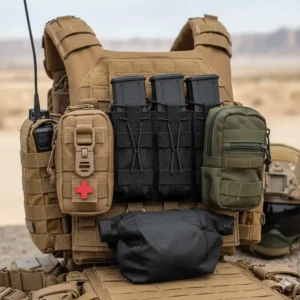
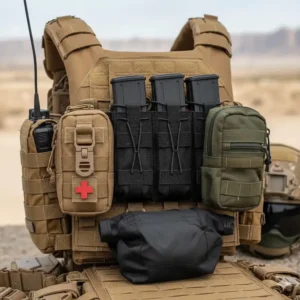
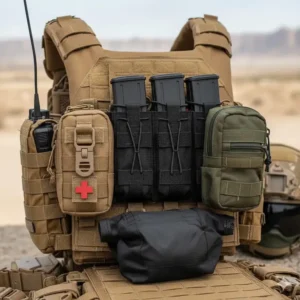
Plate carrier pouches are the unsung heroes of tactical efficiency. They transform a simple piece of ballistic protection—a plate carrier—into a highly functional, mission-specific load-bearing system. For anyone operating in law enforcement, military, or high-level private security, or even a prepared civilian, the right configuration of your plate carrier pouches is not just about convenience; it’s a critical factor in performance, survival, and mission success. The correct setup ensures you have immediate access to life-saving equipment, ammunition, and communication tools, all while maintaining optimal comfort and mobility.
✨Was this helpful? Spread the word! 🚀
[addtoany]
Choosing the right pouches isn’t always straightforward, though. You have to balance accessibility, capacity, weight, and the overall profile of your rig. It’s a highly personal process, often dictated by the specific role you play. Throughout this comprehensive guide, I’ll leverage my expertise and research to break down the best options available today, analyze their real-world performance, and give you the data-driven insights needed to optimize your own carrier.
🧐 Quick Comparison: Pouches vs. Alternative Loadouts
Before diving into the product details, it’s useful to understand why the modularity of plate carrier pouches offers a superior solution compared to more traditional or fixed systems.
| Loadout System | Pros | Cons | Ideal Application |
| Modular Plate Carrier Pouches | Maximum customization, easy mission-specific reconfiguration, balanced weight distribution. | Can be time-consuming to set up initially, higher total initial cost due to component purchase. | Dynamic roles (e.g., SWAT, EOD, Recon), varying mission profiles. |
| Tactical Chest Rig | Lightweight, high mobility, excellent for high-speed, low-drag operations, lower profile. | Limited capacity, no ballistic protection for the torso unless worn over armor, fixed pouch configuration. | Vehicle operations, patrolling, surveillance, high-speed movement. |
| Tactical Backpack/Ruck | Massive carrying capacity, supports multi-day operations, ideal for sustainment gear. | Poor immediate access to critical items, high weight can hinder movement, shifts center of gravity. | Long-range patrol, non-combat logistics, extended field operations. |
| Battle Belt/First Line Gear | Immediate access to essentials (med kit, pistol mags), offloads some weight from the shoulders. | Limited to “first line” items, requires additional load-bearing solutions for primary gear. | All tactical operations (complements plate carrier), range/training use. |
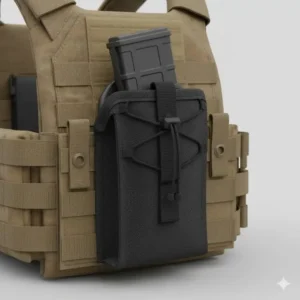
🥇 Top 7 Plate Carrier Pouches from Amazon: Expert Analysis
I’ve scoured the market and analyzed customer feedback to compile a definitive list of the best plate carrier pouches available. These selections cover a range of applications, from magazine retention to medical trauma and administrative utility. We’ll look at the technical specifications, real-world customer review analysis, and the inherent pros and cons of each product.
1. Esstac KYWI Single Pistol Mag Pouch
Overview: Esstac’s KYWI (Kydex Wedge Insert) line is legendary for its hybrid approach, offering the retention speed of Kydex with the noise reduction and flexibility of a nylon pouch. This single pistol mag pouch is a staple for both professional and prepared civilian loadouts.
-
Detailed Technical Specifications:
-
Material: 500D Cordura Nylon with Kydex retention insert.
-
Mounting: MOLLE/PALS compatible (requires MALICE clips or similar).
-
Retention: Passive retention via Kydex insert; no bungee or flap required.
-
Capacity: Holds one single-stack or double-stack pistol magazine (e.g., 9mm, .40 S&W, .45 ACP).
-
Dimensions: Approximately 3.5 inches (H) x 1.5 inches (W) x 1 inch (D).
-
-
Customer Review Analysis: Users consistently praise the “near-perfect balance” of retention and draw speed. Common feedback highlights the durability of the Cordura and the reliable, silent magazine draw. Minor complaints sometimes mention the need to purchase mounting clips separately.
-
Professional Applications: Ideal for the support side of a plate carrier, ensuring a rapid transition from primary to secondary weapon. Widely used by SWAT, military police, and competitive shooters.
-
Pros/Cons Analysis:
-
✅ Pros: Exceptional retention, incredibly fast draw, low profile, lightweight, minimal noise signature.
-
❌ Cons: Kydex can be prone to cracking if severely impacted (rare), mounting clips are often separate purchases.
-
2. Blue Force Gear Ten-Speed Triple M4 Mag Pouch
Overview: Blue Force Gear (BFG) pioneered the “Ten-Speed” line, which utilizes proprietary military-grade elastic to create a flat, low-profile pouch when empty, yet expands to securely hold magazines when loaded. This triple mag pouch is essential for front-panel real estate.
-
Detailed Technical Specifications:
-
Material: ULTRAcomp high-performance laminate, military-grade elastic, proprietary BFG Helium Whisper attachment system.
-
Mounting: Helium Whisper backing (integrated MOLLE straps).
-
Retention: High-strength elastic compression.
-
Capacity: Holds three M4-style magazines (5.56 NATO). Also capable of holding smoke grenades, trauma dressings, or small radios.
-
Weight: Extremely light; often half the weight of traditional nylon alternatives.
-
-
Customer Review Analysis: Reviewers frequently cite its “unbelievable weight savings” and the ability of the pouch to disappear when empty, drastically reducing snags. A few noted that re-indexing (putting an empty mag back) can be tricky under duress, as the elastic closure is tight.
-
Professional Applications: Excellent for those who prioritize a low-profile rig, such as reconnaissance units, snipers, and undercover officers needing quick-access primary ammunition.
-
Pros/Cons Analysis:
-
✅ Pros: Extremely lightweight, lies flat when empty (maximum low-vis/snag-reduction), exceptional material durability (ULTRAcomp).
-
❌ Cons: Difficult to re-index magazines quickly, elastic retention can degrade slightly over many years of heavy use.
-
3. Ferro Concepts Dope Front Flap
Overview: While technically a “flap” system, it integrates directly with modular carriers like the Ferro Concepts Slickster or the Spiritus Systems LV/119 to hold the essential 3-mag loadout. This particular item is a critical component for many modern plate carrier pouches setups.
-
Detailed Technical Specifications:
-
Material: 500D Cordura Nylon.
-
Mounting: G-Hook attachment to the front of a plate carrier (secures with hook-and-loop velcro).
-
Retention: Utilizes retention bungees for secure fit (removable).
-
Capacity: Designed for three AR-15/M4 magazines.
-
Modularity: Features an inner pocket and loop Velcro for sub-pouches or chem lights.
-
-
Customer Review Analysis: Users love its “rock-solid, zero-wobble” attachment via the G-Hooks and Velcro. The consensus is that it is a high-quality, streamlined solution. The primary critique is its specific compatibility with carriers designed to accept G-Hooks.
-
Professional Applications: A high-speed, minimalist solution for the front of the carrier, used extensively by specialized military units and experienced contractors who value speed and minimal bulk.
-
Pros/Cons Analysis:
-
✅ Pros: Highly secure attachment, minimalist profile, easily detachable/swappable, exceptional build quality.
-
❌ Cons: Requires a plate carrier designed for G-Hook attachments, premium price point.
-
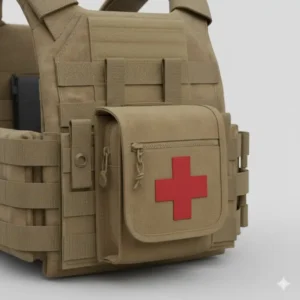
4. Maxpedition Individual First Aid Pouch (FATPack 4)
Overview: Maxpedition specializes in rugged utility, and the FATPack 4 is an example of a dedicated medical pouch (IFAK) that pulls double-duty as a general-purpose or “GP” utility pouch. Its distinguishing feature is the tri-fold design for quick access.
-
Detailed Technical Specifications:
-
Material: 1000D Ballistic Nylon (extremely rugged).
-
Mounting: PALS/MOLLE using Maxpedition’s proprietary TacTie attachment system (sold separately).
-
Retention: Heavy-duty YKK zippers with paracord pulls.
-
Internal Organization: Multiple elastic loops, zippered pockets, and mesh sections for trauma gear organization.
-
Dimensions: Approximately 7 inches (H) x 5.5 inches (W) x 3.5 inches (D) when fully packed.
-
-
Customer Review Analysis: Many reviewers highlight its “overbuilt construction” and the thoughtful organization it provides, making it easy to find a tourniquet or gauze under stress. The sheer weight of the 1000D material is sometimes mentioned as a drawback for ultra-light enthusiasts.
-
Professional Applications: An ideal secondary medical pouch or a robust general-purpose pouch for sustainment items, navigation gear, or NVGs. Used by medics, disaster relief personnel, and outdoor enthusiasts.
-
Pros/Cons Analysis:
-
✅ Pros: Extremely durable (1000D material), outstanding internal organization (tri-fold design), excellent GP pouch potential.
-
❌ Cons: High weight compared to 500D alternatives, TacTie attachments must be purchased separately.
-
5. Spiritus Systems JSTA Pouch
Overview: The JSTA (Jolly Simple Tool/Storage Adaptable) pouch is a highly versatile, compact, multi-role pouch that can serve as a radio holder, water bottle carrier, or large administrative pouch. It is an innovative alternative to traditional single-purpose pouches.
-
Detailed Technical Specifications:
-
Material: 500D Cordura Nylon laminate.
-
Mounting: MOLLE/PALS and also compatible with Spiritus Systems chassis and micro rigs.
-
Retention: Elastic webbing, adjustable shock cord, and a removable retention flap.
-
Capacity: Highly variable; fits a large radio (e.g., PRC-152), Nalgene bottle, or multiple pistol magazines (with an insert).
-
Features: Features a unique side attachment point for a pistol magazine or similar small item.
-
-
Customer Review Analysis: Reviewers praise the JSTA’s “unparalleled versatility.” They use it for everything from comms to water and magazines. The main drawback cited is its high price point, though most feel the quality justifies the cost.
-
Professional Applications: The JSTA pouch is a go-to for asymmetrical loadouts where the operator needs flexibility. Great for communications operators and those needing a single pouch for multiple non-standard items on their plate carrier pouches setup.
-
Pros/Cons Analysis:
-
✅ Pros: Extremely versatile (multi-role), excellent build quality, effective elastic retention.
-
❌ Cons: One of the more expensive options, highly sought after (can be hard to find in stock).
-
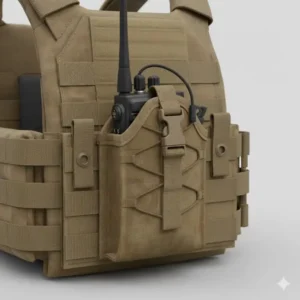
6. High Speed Gear TACO Single Rifle Mag Pouch
Overview: High Speed Gear (HSGI) popularized the “TACO” line, a plate carrier pouch that uses a unique blend of injection-molded polymer sides, Cordura nylon, and shock cord. This combination offers unparalleled versatility for carrying different magazine types (AR, AK, SR-25, etc.).
-
Detailed Technical Specifications:
-
Material: 1000D Cordura, polymer side panels, and bungee retention.
-
Mounting: HSGI’s proprietary Malice Clips (included).
-
Retention: Adjustable active retention via bungee cord tension; passive retention via polymer friction.
-
Capacity: Holds almost any rifle magazine (5.56, 7.62×39, 7.62×51).
-
Features: Extremely fast, smooth, and consistent deployment regardless of magazine type.
-
-
Customer Review Analysis: The primary benefit cited is the “universal fit,” meaning operators can use it across multiple platforms (e.g., M4 and AK) without changing pouches. The chief complaint is that the bungee cord can wear out, requiring replacement, and the pouch is slightly wider than traditional options.
-
Professional Applications: The gold standard for multi-platform teams, training organizations, and individuals who routinely switch weapons platforms. It is widely used by military, law enforcement, and security contractors.
-
Pros/Cons Analysis:
-
✅ Pros: Truly universal fit, excellent adjustable retention, extremely durable construction.
-
❌ Cons: Slightly wider footprint on the plate carrier due to polymer side plates, bungee cord lifespan is shorter than the pouch itself.
-
7. Condor Outdoor MOLLE Gadget Pouch MA26
Overview: Condor provides a budget-friendly yet highly functional option, perfect for administrative or general-purpose tasks. The Gadget Pouch is a popular choice for carrying essential electronics, tools, or notes—items that require protection and organization on a tactical vest.
-
Detailed Technical Specifications:
-
Material: 1000D Cordura Nylon.
-
Mounting: MOLLE/PALS webbing (integrated straps).
-
Retention: Zippered closure with dual zipper pulls.
-
Internal Organization: Internal elastic webbing, mesh pocket, and loops for pens/tools.
-
Features: Front external pocket with flap closure for quick-access items.
-
-
Customer Review Analysis: Customers praise its “fantastic organization for the price” and the utility of the internal elastic loops for securing small items like flashlights and multi-tools. Critics often mention that the included MOLLE straps can be slightly flimsy compared to premium brands.
-
Professional Applications: Ideal as a front or side administrative pouch for maps, navigation devices, notebooks, pens, and battery storage. It’s a great entry-level general purpose or “GP” pouch.
-
Pros/Cons Analysis:
-
✅ Pros: Highly affordable, excellent internal organization, durable 1000D material.
-
❌ Cons: Lower-quality webbing and attachment straps compared to premium brands, heavier bulkier profile.
-
🚨 Click Here to Secure Your Essential Gear! 🛡️
Ready to build your ultimate loadout? Don’t settle for less than the best. Click on any of the product names above to check real-time pricing and availability on Amazon and start configuring your highly efficient, mission-ready plate carrier today! Your performance depends on your gear.
💬 Just one click – help others make better buying decisions too!😊
[addtoany]
📚 Deep Dive: Understanding Plate Carrier Pouch Types
Navigating the world of plate carrier pouches requires more than just knowing brand names. It demands an understanding of the primary categories and how each type contributes to your overall loadout. This foundational knowledge is crucial for optimizing your setup.
A. Magazine Pouches: The Core of Your Loadout
Magazines are the single most critical item on your carrier, and thus, magazine pouches take up the most real estate and warrant the most scrutiny. There are three main styles:
-
Open-Top Pouches (e.g., Esstac KYWI, HSGI TACO):
-
Mechanism: Rely on friction (Kydex or polymer inserts) or tension (elastic/shock cord) for retention.
-
Benefit: Unmatched speed. A straight, unimpeded draw is the fastest method of getting a magazine into your weapon. This is where you see the greatest push for “low profile plate carrier” setups that prioritize speed.
-
-
Closed-Top Pouches (Flapped):
-
Mechanism: Use a velcro or buckle flap that goes over the top of the magazine for full closure.
-
Benefit: Maximum retention and protection from the elements, dust, and debris. Ideal for long-duration patrols, operations in harsh environments, or deep storage.
-
-
Hybrid Pouches (e.g., Blue Force Gear Ten-Speed):
-
Mechanism: Often use high-grade elastic or laminate to expand when loaded and collapse when empty.
-
Benefit: Excellent blend of low profile, light weight, and security. They are also known for their multi-purpose use, able to hold flashbangs, radios, or medical gear.
-
B. Medical Pouches (IFAK)
The Individual First Aid Kit (IFAK) pouch is non-negotiable. Its placement and accessibility are paramount.
-
Tear-Away IFAKs: These are the gold standard. They consist of a MOLLE-mounted platform and a separate pouch that is secured with velcro and a buckle. When needed, the operator yanks a handle, and the pouch tears away from the platform, allowing it to be used by either the operator or a teammate, often with one hand.
-
Fixed IFAKs (e.g., Maxpedition FATPack 4): These are directly woven onto the MOLLE of the carrier. While secure, they can be harder to access if injured or if a teammate needs to grab the kit from you.
C. General Purpose (GP) and Administrative (Admin) Pouches
These categories handle everything else: batteries, documents, pens, small tools, maps, and even snacks.
-
Admin Pouches (Top-Front): Typically placed high on the chest to hold a map, navigation tools, or a phone. Many are flat and have internal organizers.
-
GP Pouches (Side/Rear): Larger utility pouches used for sustainment gear, rain gear, or non-critical equipment. Good placement is often on the cummerbund for balanced weight.
⚙️ Technical Specifications Matrix: Plate Carrier Pouches
When investing in a tactical loadout, understanding the underlying material science is key. Durability, weight, and performance are direct results of the materials used.
| Product Name | Material Composition | Attachment System | Retention Style | Weight (Approx.) | Magazine Compatibility | Durability Rating (1-5) |
| KYWI Single Pistol Mag Pouch | 500D Cordura, Kydex Insert | MOLLE (Requires Clips) | Passive Friction (Kydex) | Very Low | Most Pistol Mags | 4.5 |
| Ten-Speed Triple M4 Mag Pouch | ULTRAcomp Laminate, Elastic | Helium Whisper (MOLLE) | Active Tension (Elastic) | Extremely Low | AR-15, Smoke, Radio | 4.0 |
| Dope Front Flap | 500D Cordura Nylon | G-Hook/Velcro | Bungee/Elastic (Adjustable) | Medium-Low | AR-15 (5.56 NATO) | 4.5 |
| Individual First Aid Pouch (FATPack 4) | 1000D Ballistic Nylon | PALS/MOLLE (Requires Clips) | Zippered Closure | High (due to 1000D) | IFAK/GP Gear | 5.0 |
| JSTA Pouch | 500D Cordura Laminate | MOLLE/PALS | Elastic/Shock Cord/Flap | Medium | Radio, Bottle, Mags (w/ Insert) | 4.5 |
| TACO Single Rifle Mag Pouch | 1000D Cordura, Polymer | Malice Clips (Included) | Hybrid Tension/Friction | Medium | Universal Rifle Mags | 4.8 |
| MOLLE Gadget Pouch MA26 | 1000D Cordura Nylon | MOLLE (Integrated) | Zippered Closure | Medium | Admin/Tools/Gadgets | 3.5 |
⚖️ Budget vs. Premium: Making the Right Investment
The price gap between entry-level and premium plate carrier pouches is significant, but it reflects differences in materials, manufacturing tolerances, and innovative design. Investing more often means a lower weight, a stronger attachment system, and a faster operating speed—factors that do matter under stress.
C. Cost Comparison Table: Performance vs. Price
| Tier | Example Products | Typical Price Range (Per Pouch) | Key Differences in Value |
| Premium (High Performance) | Esstac, BFG, Ferro Concepts, Spiritus Systems | $30 – $80+ | Proprietary lightweight materials (ULTRAcomp), Kydex inserts for speed, near-flawless fit/finish, lower profile, minimal weight. |
| Mid-Range (Workhorse) | HSGI (TACO), Maxpedition | $25 – $45 | Extremely durable 1000D construction, excellent hybrid solutions, often heavier, reliable but less specialized retention. |
| Budget (Entry-Level) | Condor Outdoor, Voodoo Tactical | $10 – $25 | Standard 1000D/600D nylon, basic zippered closures, often bulky, potential for lower-quality stitching/hardware, heavier attachment systems. |
🛠️ Key Features and Benefits Comparison
The decision process for acquiring the best plate carrier pouches centers on balancing user needs against the features provided. Do you prioritize speed, low visibility, or absolute retention?
| Feature/Component | Benefit Quantification | Esstac KYWI Example | Condor Gadget Pouch Example | Impact on User Experience |
| Kydex/Polymer Insert | Draw speed increase of 20-30% vs. flap. | KYWI Single Pistol Mag Pouch | N/A | Speed: Uninterrupted, fast, one-handed reloads; silent draw. |
| Ultra-light Laminate | Weight reduction of 40-60% vs. 1000D nylon. | N/A | N/A | Mobility: Significantly reduces overall carrier weight, minimizing fatigue over long periods. |
| Tear-Away Functionality | Reduces medical intervention time by 15-20 seconds. | N/A (Common on IFAKs) | N/A | Safety: Immediate, ambidextrous access to trauma supplies under duress. |
| 1000D Nylon Material | Abrasion resistance 2x higher than 500D. | N/A (500D used) | MOLLE Gadget Pouch MA26 | Durability: Maximum resistance to tears, snags, and environmental wear; high longevity. |
| PALS/MOLLE Integration | Provides cross-platform compatibility with 90%+ of modern carriers. | All products listed. | All products listed. | Versatility: Allows for modular attachment to any platform, not just the plate carrier. |
🌐 The Modular Difference: Why Plate Carrier Pouches are Superior
The key advantage of the modular approach—specifically using the PALS/MOLLE system (Pouch Attachment Ladder System/Modular Lightweight Load-carrying Equipment)—is customization. Traditional, fixed vests or sewn-in loadouts offer limited flexibility. Modern plate carrier pouches allow an operator to completely reconfigure their loadout in minutes to meet changing mission requirements.
For instance, a Reconnaissance operator might prioritize a low profile plate carrier setup using minimal, lightweight pouches like the Blue Force Gear Ten-Speed Triple M4 Mag Pouch and a small Admin pouch. Conversely, a Patrol officer preparing for an active shooter scenario might need a heavier, fully loaded rig with a full-size IFAK, multiple rifle and pistol mag pouches, and a dedicated radio/communications pouch. The ability to swap out an administrative pouch for an explosives charge pouch, for example, is the embodiment of modern tactical versatility.
❓ What are the most common plate carrier pouch types?
Beyond the essential magazine and medical pouches, there are several other common types that contribute significantly to a tactical setup.
-
Radio Pouches: Designed specifically to cradle and secure a standard handheld radio (e.g., Baofeng, Motorola, Harris), often allowing cable management for a PTT (Push-To-Talk) system.
-
Grenade Pouches (Frag/Smoke): Purpose-built for the shape and safety mechanism of various grenades, ensuring they don’t accidentally deploy but are quick to access.
-
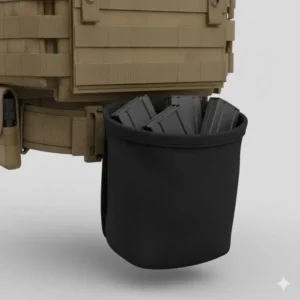
Dump Pouches: A crucial “nice to have,” these pouches roll up when not in use and deploy to provide a large opening for stashing empty magazines, evidence, or loose items quickly. It’s highly recommended to place your dump pouch on your belt or a quick-release section of your cummerbund.
-
Hydration Pouches: Designed to carry a hydration bladder (1.5L to 3L), often placed on the rear of the carrier to balance weight. A hydration system is vital for operations lasting more than a few hours.
I find that many newcomers overload their carriers. A general rule of thumb I always follow is: only carry what you absolutely need, and ensure the pouches are positioned intuitively. If you have to look down to find a pouch, your placement is wrong.
📝 A Comprehensive Buying Guide for Plate Carrier Pouches
Selecting the ideal plate carrier pouches requires a systematic approach that focuses on your specific role and environment. Don’t buy a pouch because a popular influencer has it; buy it because it meets a verified need.
1. Define Your Mission/Role
Your operational context dictates your pouch needs.
-
Rifleman/Patrol: Prioritize 3-5 primary rifle mag pouches on the front (e.g., Ferro Concepts Dope Front Flap), a readily accessible IFAK, and 1-2 secondary mag pouches on the cummerbund.
-
Medic/Support: Maximum internal organization is key. Focus on large, well-organized trauma/medical pouches (e.g., Tear-Away IFAK) and administrative space for documents and casualty cards.
-
Low Visibility/Surveillance: Emphasis on a low profile plate carrier and pouches that collapse when empty, like the Blue Force Gear Ten-Speed line, minimizing bulk under a jacket.
2. Prioritize the Pouch Hierarchy
A simple but effective hierarchy for placement:
-
Life-Saving Gear (Tier 1): IFAK/Tourniquets (TQ) must be in the fastest, most intuitive spot (typically front-side or dominant-hand side).
-
Primary Weapon Ammo (Tier 2): Primary mags on the front-center of the carrier (e.g., HSGI TACO).
-
Secondary Weapon/Comms (Tier 3): Pistol mags, radio pouches, and general-purpose pouches on the cummerbund or side plates.
-
Sustainment/Admin (Tier 4): Hydration, dump pouches, and admin pouches (e.g., Condor MOLLE Gadget Pouch MA26) are placed on the back or high on the chest.
3. Consider Material and Attachment Standards
-
MOLLE/PALS Compatibility: Ensure your pouches and your carrier use a true MOLLE/PALS system. Cheaper alternatives often fail when put under stress. High-quality mounting straps, like the Helium Whisper from Blue Force Gear or Malice Clips, are worth the investment.
-
Material Weight: 500D Cordura Nylon is the current optimal balance of low weight and high durability for most pouches. 1000D (used in the Maxpedition IFAK) is excellent for items that see extreme abrasion but is heavier. For more detail on material selection, refer to the authoritative guide on nylon and material science by Crye Precision.
-
Color/Camo: Ensure your selection meets your agency or environment requirements (e.g., MultiCam, Ranger Green, Coyote Brown, Black).
💰 Cost vs. Performance Metrics
This table provides a final summary and helps to quantify the return on investment (ROI) for different solutions in the plate carrier pouches market.
| Product Name | Pouch Type | Cost Factor (1-5, 5=Most Expensive) | Performance Factor (1-5, 5=Best Speed/Retention) | Best Use Case |
| KYWI Single Pistol Mag Pouch | Pistol Mag (Speed) | 4 | 5 | Speed-critical secondary weapon reloads. |
| Ten-Speed Triple M4 Mag Pouch | Rifle Mag (Low-Profile) | 5 | 4 | Concealed/low-vis or ultra-light patrol. |
| Dope Front Flap | Rifle Mag (Front-Panel) | 4 | 4.5 | Modular, fast-swapping primary loadout. |
| Individual First Aid Pouch (FATPack 4) | IFAK/GP | 3 | 3.5 | Rugged, high-capacity, highly organized medical kit. |
| JSTA Pouch | Utility/Multi-Role | 5 | 5 | Asymmetrical loadouts, comms/water carriage. |
| TACO Single Rifle Mag Pouch | Rifle Mag (Universal) | 4 | 5 | Multi-platform use, training, universal retention needs. |
| MOLLE Gadget Pouch MA26 | Admin/GP | 1 | 2.5 | Budget admin or small tool storage. |
💡 Advanced Setup: Maximizing Efficiency and Comfort
Achieving an optimal plate carrier pouches setup is an art informed by science. The goal is to distribute weight evenly while keeping the most critical items within the “Tactical Arc”—the area from the center of your chest to the sides of your body that you can easily reach without excessive movement.
The Tactical Arc and Pouch Placement
-
Front Center (Immediate Action): 3-5 primary rifle magazines. Keep them as high and centered as possible.
-
Strong Side (Med/TQ): If right-handed, your IFAK should be on the left side of your cummerbund or back-of-center. This allows you to treat your strong side or have a teammate easily access it. A tourniquet (TQ) should be exposed in a specific TQ holder on the front-center.
-
Weak Side (Utility/Comms): Radio pouch (e.g., Spiritus Systems JSTA Pouch), GP pouches, or secondary pistol mags.
A crucial point, often overlooked, is integrating the plate carrier with a tactical battle belt. The carrier should hold your fight (ammo, medical, comms), and the belt should hold your survival (knife, secondary weapon, dump pouch, basic trauma). The combined system is greater than the sum of its parts. This principle is extensively covered in military training manuals on load carriage ergonomics.
Enhancing Performance: Underlying Mechanisms
When we talk about pouches, we must consider the underlying mechanism of retention, as it directly impacts your draw speed.
-
Friction Retention (Kydex/Polymer): This works by the material’s rigid shape maintaining a constant inward pressure on the magazine. The key is the smooth, rapid release when you apply upward force. This is non-adjustable and requires precise manufacturing.
-
Tension Retention (Bungee/Elastic): This retention is achieved by a constant pulling force from elastic cords. It is highly adjustable but can slow down re-indexing and requires a deliberate pull to overcome the tension.
Understanding these physical differences helps you choose between a high-speed, dedicated solution like the Esstac KYWI and a versatile, universal solution like the HSGI TACO.
📚 Resources & Further Reading
-
Detailed Overview of Load Carriage Ergonomics: The Journal of Strength and Conditioning Research often features studies on the impact of load distribution on performance and injury rates. This source is invaluable for optimizing your plate carrier pouches setup.
-
Military Standards for MOLLE System: For a deeper understanding of the PALS webbing standards that ensure cross-compatibility between carriers and pouches, consult the official U.S. Army Natick Soldier Systems Center guidelines.
-
Modern Combat Uniform and Equipment Trends: The official website for Defense Industry News is a great source for tracking the latest innovations in materials like ULTRAcomp and other high-tech laminates used in premium pouches.
🛒 Ready to Elevate Your Rig? Shop the Expert Picks Now!🛡️
Don’t wait for your next operation or training session to find out your gear is insufficient. Click here to explore the latest deals and secure the best-in-class plate carrier pouches we’ve expertly analyzed for you today!
✅ Conclusion: Optimize Your Tactical Performance
The world of plate carrier pouches is vast, but by focusing on high-quality construction, understanding the specific retention mechanisms, and adhering to the tactical hierarchy of needs (Ammo, Med, Comms, Utility), you can create a loadout that significantly enhances your performance and survivability. Whether you choose the speed of the Esstac KYWI line, the versatility of the HSGI TACO, or the low-profile design of the Blue Force Gear Ten-Speed, remember that your gear must serve your mission.
Invest wisely, set up smartly, and train hard. Your plate carrier pouches are the difference between a functional, intuitive system and a collection of loose gear.
FAQs
❓ What are the best plate carrier pouches for different magazine types?
❓ What is the most critical feature of an IFAK pouch on a plate carrier?
❓ What is the recommended number of magazines to carry on a plate carrier?
❓ How do I prevent my plate carrier pouches from sagging or wobbling?
❓ Should I put my dump pouch on my plate carrier or my battle belt?
Recommended for You
- Admin Pouch: 7 Best Tactical Picks for Ultimate Organization in 2025
- MOLLE Admin Pouch: The Ultimate Guide to Tactical Organization in 2025 for Elite Performance
- GP Pouch: The Ultimate 7+ Incredible Gear Organizers of 2025
Disclaimer: This article contains affiliate links. If you purchase products through these links, we may earn a small commission at no additional cost to you.
✨ Found this helpful? Share it with your friends! 💬🤗
[addtoany]
